This week in module 3 we learned about the temperature and colour of different types of light and the role that white balance plays when taking photographs of different subjects in different lighting environments.
I have not completed activity 1 yet due to poor lighting and weather conditions today. The lighting at different times of the day was very dull and cloudy and not strong enough to show any differentiation between the images.
Activity two I completed on my lunch break yesterday and was lucky to have a wonderfully warm, sunny day to take my images.
The following images were taken using my Nikon D3500 cropped sensor DSLR and a tripod. Each image was taken using one of the different white balance modes on my camera.


Fluorescent

The daylight setting would have been the correct mode given the lighting and time that these images were captured. As a result we can see that the daylight and the auto modes are very similar. The cloudy mode did not deliver an unpleasant image, warming the image up just slightly. Shade mode made the image a bit too warm for my liking. In the incandescent and fluorescent modes we can see the images are tinted, trying to compensate for the orange that is cast by an incandescent light or the greenish tint that is common with harsh fluorescent lighting.
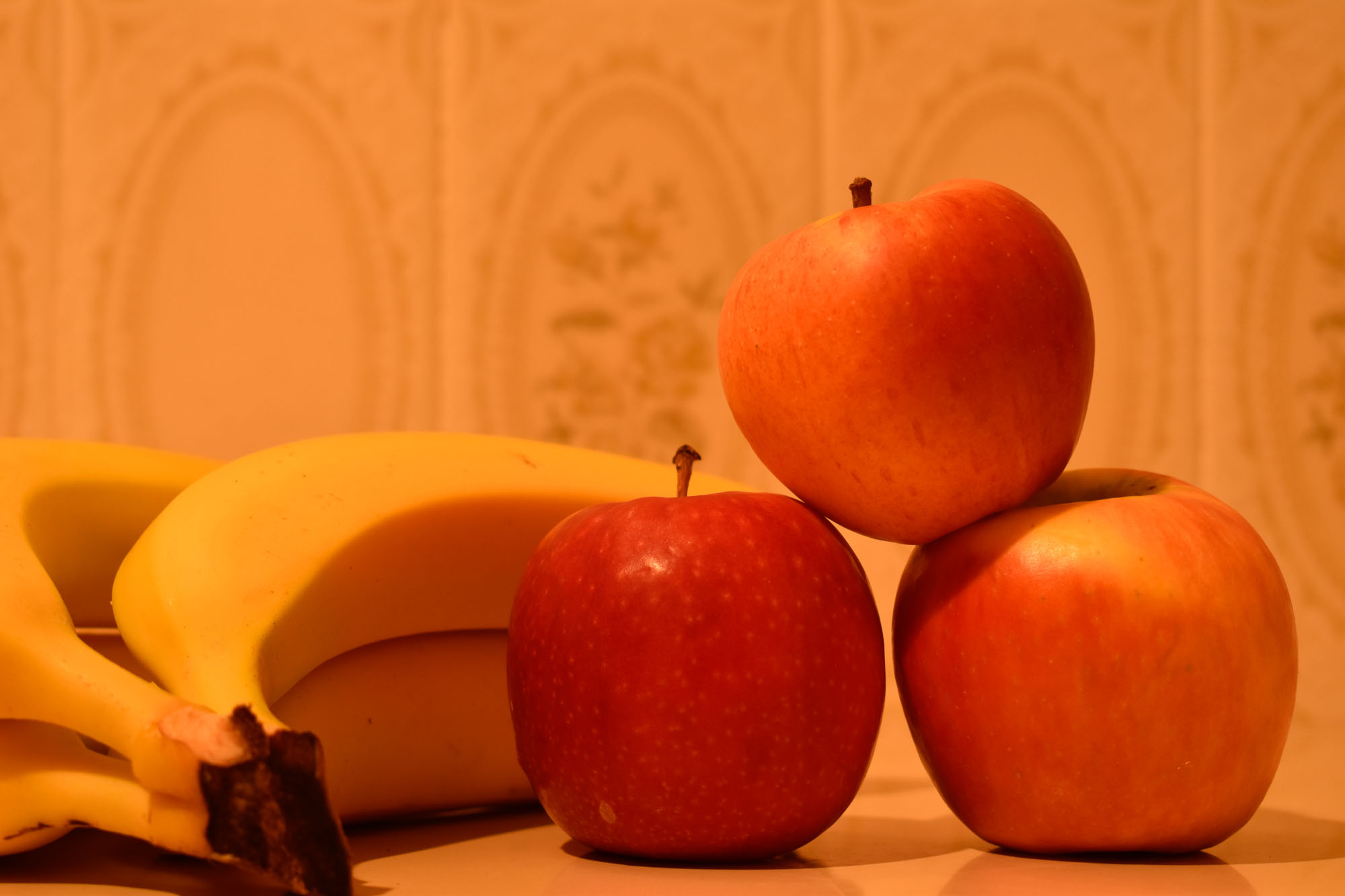
For the next activity, a series of images were captured indoors under artificial lighting. In this case, the lighting was incandescent or tungsten and had a very strong orange quality. The same white balance modes were used but with quite different results to the outdoor images. We see that daylight, cloudy and shade modes did not do very much to counteract the strong orange light. In fact, the warming effect of the shade mode made the image almost unbearably orange. However, the incandescent setting neutralised the orange quite well and would have been able to be balanced even further in post production. The detail on the tiles in the background became much clearer in this mode. The texture of the fruit is more evident in this mode whereas we can see it has been lost in the daylight, cloudy and shade modes. The fluorescent mode is an improvement on the first three modes but still lacks the correct balance for this particular lighting situation.



For learning activity test, a dismal result due to the constant interruption of two small children who seem to have some sort of sixth sense whenever mum is trying to concentrate. Silly mistakes and rushing through the questions without reading is definitely not recommended!
 Amber Lyons Photography